Jim Beam Production Halt Shows Marketing Challenges Ahead
Jim Beam Production Halt: Key Findings
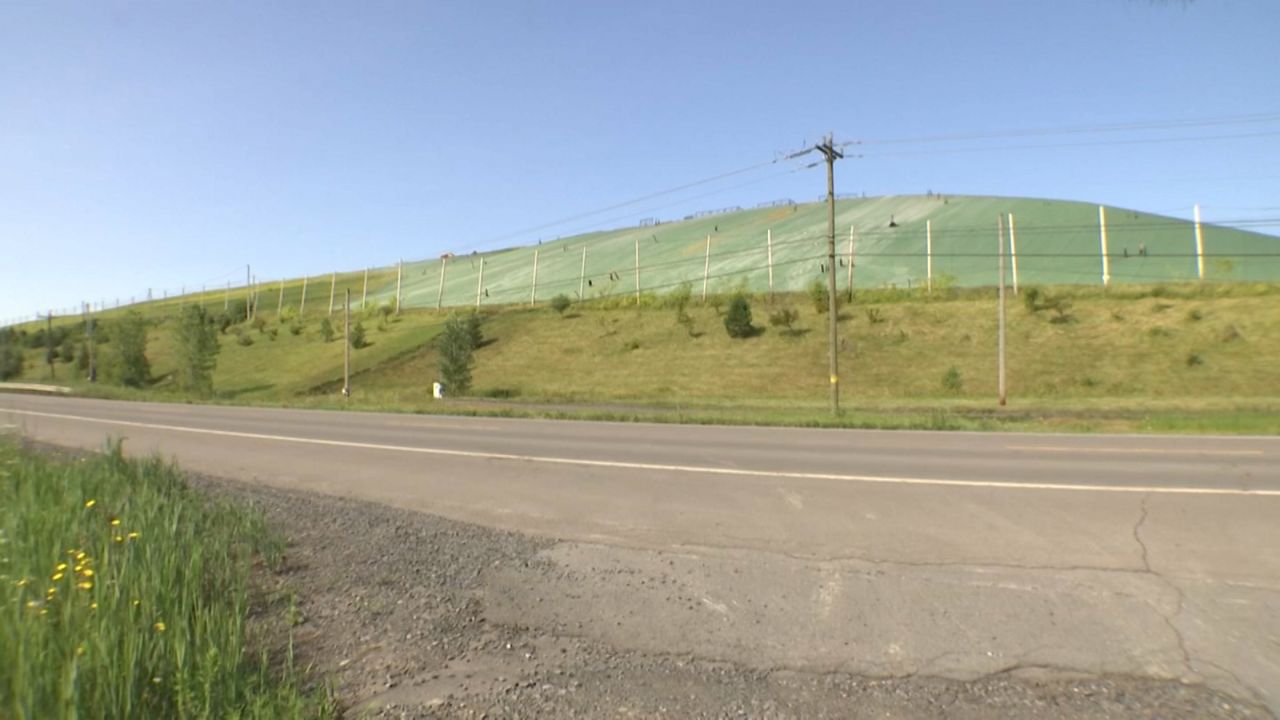
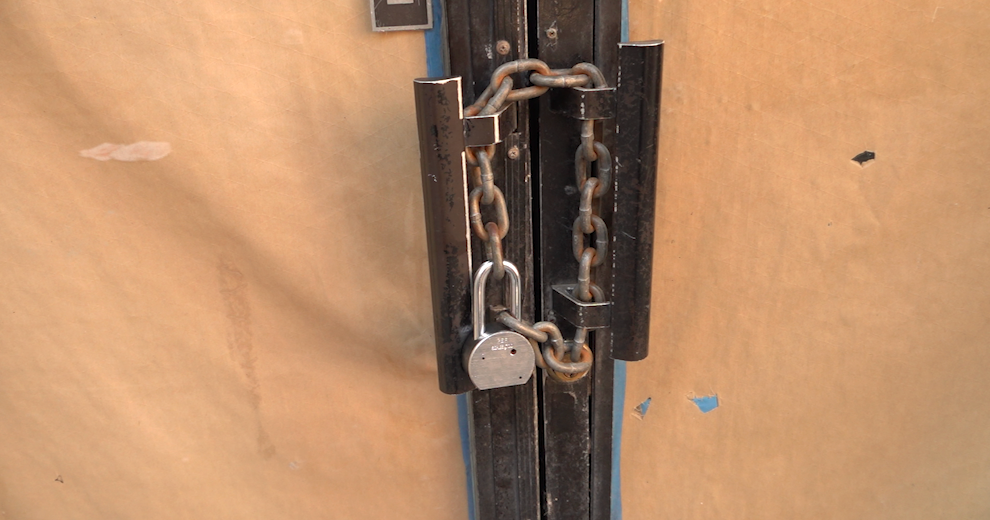
Jim Beam is pausing bourbon production at its flagship Clermont distillery for all of 2026, as tariff uncertainty and oversupply pressure the industry.
Kentucky warehouses hold a record 16.1 million aging bourbon barrels while U.S. spirits exports to Canada dropped 85% in Q2 2025.
American whiskey distillers produced 28% less in 2025 than the previous year as consumer moderation trends accelerate.
Jim Beam is pausing production at its main Kentucky distillery for all of 2026, as tariff uncertainty forces premium beverage brands to rethink their production strategy.
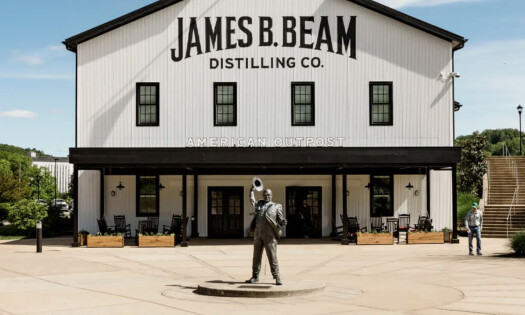
The James B. Beam Distilling Co. will halt distillation at its flagship Clermont location starting January 1, though bottling and warehousing operations will continue.
The company, owned by Suntory Global Spirits, said it will use the pause to invest in site enhancements while continuing production at its Fred B. Noe craft distillery in Clermont and Booker Noe distillery in Boston, Kentucky.
“We are always assessing production levels to best meet consumer demand and recently met with our team to discuss our volumes for 2026,” the company told the BBC.
This incident shows how brands marketing products with multi-year production cycles need a crisis communication plan when supply chains freeze.
The challenge is maintaining brand presence when you’re not producing the product consumers know you for.
How Tariffs Are Reshaping Spirits Marketing Strategy
According to the Distilled Spirits Council of the United States, U.S. spirits exports fell 9% in Q2 2025 compared to the same period last year.
The steepest decline hit exports to Canada, which dropped 85% in the April through June quarter after Canadian provinces pulled American spirits from shelves in retaliation for President Trump’s tariffs.
Exports to the EU fell 12% to $290.3 million, while UK exports dropped 29% to $26.9 million and Japan decreased 23% to $21.4 million.
Eric Gregory, president of the Kentucky Distillers’ Association, emphasized the planning challenges:
“Long-term planning for a product that won’t be ready for years is already tough enough. We need the certainty of tariff-free trade for America’s only native spirit to flourish,” he said.
This shows how premium brands who are losing export markets need to get creative about staying relevant.
When you can’t sell in key markets anymore, marketing must focus on keeping current customers engaged and telling stories that resonate at home.
Why Record Inventory Creates Marketing Opportunities
Kentucky warehouses now hold a record 16.1 million aging bourbon barrels, the highest level since Prohibition’s repeal.
The surplus creates financial strain, because Kentucky charges taxes on aging barrels.
Kentucky distillers also paid $75 million in aging barrel taxes this year, up 27% from 2024.
This reflects both an increase in Kentucky distillers and weakening demand as consumers moderate alcohol consumption.
A Gallup poll found that 53% of U.S. adults now say moderate drinking is bad for their health, up from 28% in 2015.
Through August, whiskey distillers had also produced 55 million fewer proof gallons this year than a year ago, which is a decline of 28%.
The whiskey brand’s Clermont visitor center will remain open in 2026 as part of the Kentucky Bourbon Trail, to help it maintain tourism revenue while production pauses.
Jim Beam’s choice to amplify tourism and experiential revenue is a smart move for a brand facing a production slowdown.
At a time where it can’t sell more products, selling the story becomes a viable alternative.
Three patterns from Jim Beam’s production pause indicate how brands should market through export volatility:
- Diversify revenue beyond production volume: Jim Beam kept two smaller distilleries running and emphasized tourism to maintain brand presence.
- Leverage heritage when current production stalls: The Kentucky Bourbon Trail generates brand value whether bourbon is being made or not.
- Frame pauses as strategy, not crisis: Jim Beam positioned the shutdown as assessment rather than failure, which can help it maintain brand confidence.
Despite the challenges, brands shouldn’t wait for trade policy to stabilize before adapting their brand positioning.
The ones that survive will be those that build revenue streams that are independent of production volume.
Our Take: How Should Brands Market During Trade Disruption?
I think the bourbon industry’s crisis reveals a bigger challenge for premium brands built on production heritage.
When a brand story centers on continuous craftsmanship and tariffs force production pauses, the marketing needs a new narrative.
Jim Beam’s move to emphasize tourism and experiential channels shows one path forward.
While brands can’t control trade policy, they can control how they frame production decisions.
I think a winning strategy here will be one that acknowledges the disruption, while also building brand equity through channels that work in spite of tariff cycles.
In other news, WeightWatchers just unveiled a new brand identity that shows how visual systems must evolve when wellness brands move into regulated medical care.
Beverage brands navigating trade uncertainty need agencies who understand how to market heritage when production volume isn’t the story.
Check out the top food and beverage marketing agencies in our directory.

B2B Reporter
Coral Cripps is a seasoned writer with over 10 years of experience in journalism, copywriting, and content strategy. At DesignRush, she covers the intersection of marketing, technology, and culture, spotlighting brand campaigns, industry trends, and insights from top global names.
link